
Expert Support
Visit our Helpdesk
Visit our Helpdesk

A medal does not need to look newly struck to be properly cared for. For an original campaign medal, a darkened surface may be part of its history; for a modern mounted group intended for parade wear, a clean and even finish is often appropriate. The best medal cleaning products are therefore the ones that suit the medal's metal, finish and purpose - and remove as little original material as possible.
That distinction matters. A vigorous polish can make a replica medal presentable, yet permanently reduce detail, disturb patina or damage plating on an original award. Before choosing any cleaner, establish whether the medal is an original issue, a replacement, a replica or a commemorative piece, and whether it has already been lacquered or given a stay-bright coating.
British medals are made from a wide range of materials. Older campaign medals may be silver, bronze or copper-based alloys. Many 20th-century and modern pieces are cupro-nickel, nickel silver, gilt metal or plated base metal. A group can also contain medals of several different metals, each reacting differently to the same cleaner.
The surface deserves equal attention. Original medals often develop toning, sometimes called patina. This can range from soft grey on silver to brown or greenish tones on bronze. It is not automatically dirt. Collectors commonly value an even, undisturbed patina because it supports the medal's age and originality. By contrast, fingerprints, greasy handling marks and active corrosion warrant careful attention.
Look for signs of a protective coating before cleaning. Lacquered medals can appear unusually glossy, while stay-bright finishes are designed to reduce tarnishing. Solvents, dips and strong polishes may cloud, lift or unevenly strip these coatings. When a coating has failed, professional assessment is normally safer than attempting a partial repair at home.
There is no single universal polish for British medals. The right product is determined by how lightly it works and how easily it can be controlled.
For most modern medals and replicas, the first and best option is a clean, dry microfibre cloth. It removes fingerprints and light surface dust without introducing moisture or abrasion. Use a gentle rolling motion rather than pressing hard around lettering, crowned details, suspension rings and raised edges.
A microfibre cloth will not remove established tarnish, which is often an advantage. It is the sensible default for mounted medal groups where the ribbons, backing and stitching must not become wet or contaminated with polish residue.
A quality treated silver cloth can be suitable for untarnished or lightly tarnished sterling silver medals, provided the medal is not of collector interest and does not have a deliberately retained patina. These cloths contain a mild polishing compound, so they should be used sparingly and only on the metal face.
Avoid folding the cloth around a medal and rubbing aggressively. Work in small areas, keeping clear of enamel, gilt highlights and engraved naming. Once a silver surface has been over-polished, the softened relief cannot be restored.
A mild liquid cleaner formulated for silver can help with stubborn tarnish on modern silver items or replacement medals. Apply it to a cotton bud or soft cloth rather than immersing the medal. This gives control around detail and limits the risk to ribbons, fixings and adjacent medals in a group.
Liquid products are not a good choice for medals with unknown construction, fragile naming, applied devices, enamel or existing lacquer. They are also unsuitable for a medal mounted on a bar. The cleaner can wick into the ribbon, backing board and stitching, leaving marks that are harder to remedy than the tarnish itself.
For an unmounted medal that has been carefully cleaned and fully dried, a specialist neutral microcrystalline wax may offer a light protective barrier against handling and atmospheric moisture. It should be applied extremely thinly, then gently buffed. This is a preservation measure, not a substitute for cleaning.
Wax is best reserved for stable metals and display pieces. It should not be used to disguise corrosion, fill pitting or create an artificial shine. On highly detailed medals, excess wax can collect in lettering and recesses, dulling the very detail it is meant to protect.
The strongest warning applies to abrasive metal polishes, household cleaners and quick tarnish-removal dips. They may produce a bright result, but brightness is not the same as preservation. Ammonia-based cleaners, acidic solutions, toothpaste, bicarbonate of soda, wire wool and abrasive pads can scratch surfaces or cause uneven chemical reactions.
Commercial silver dips are particularly risky. They can strip tarnish rapidly from silver, but also remove desirable toning and leave a flat, unnaturally white finish. They may affect soldered components, plated surfaces and mixed-metal medals. A dip is never appropriate for a medal group with ribbons attached.
Do not use a dishwasher, ultrasonic cleaner or prolonged soaking. Water can enter suspension components, loosen old adhesive, stain ribbon fibres and encourage corrosion where it cannot be seen. Even a seemingly simple wash in warm soapy water is unsuitable for historic medals unless their materials and condition are known.
If the medal is a modern replacement, replica or commemorative issue, and its condition supports light cleaning, proceed slowly. Begin by photographing both sides. This creates a useful condition record, particularly where engraved naming or a presentation finish is involved.
Remove loose dust with a soft artist's brush, then use a dry microfibre cloth. If tarnish remains and the medal is confirmed as plain silver or a compatible modern finish, test the chosen product on a small, less visible area near the rim. Keep polish away from ribbons, clasps and ribbon bars.
Use minimal pressure and short passes. Wipe away all residue with a separate clean cloth, then leave the medal to air dry before returning it to a case or display. If the result is patchy, stop rather than continuing to chase a uniform shine. Unevenness can indicate plating wear, old lacquer or differing metal composition beneath the surface.
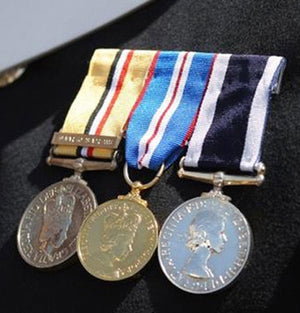
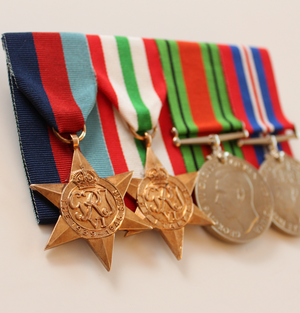
For a mounted group, cleaning should usually be limited to dry dusting and very gentle cloth work on accessible medal faces. Detaching medals from a court-mounted or swing-mounted group can alter alignment and stitching. Proper mounting is part of the presentation, not an inconvenience to work around.
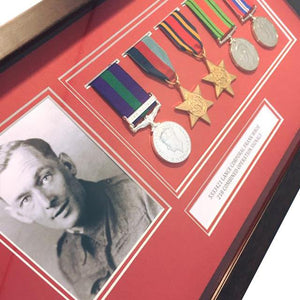
An original named medal, a gallantry award, a rare campaign issue or a family group with established age should generally be left as found unless there is active deterioration. Its surface may hold evidence of age, service and storage that a collector or family will wish to retain. Cleaning can reduce historical and collector value, even where the medal looks more attractive afterwards.
Active verdigris, powdery corrosion, sticky residue, mould or a deteriorating coating are different matters. These are preservation concerns, not cosmetic ones. They call for specialist advice, especially on bronze, copper alloy and plated medals. The aim is to stabilise the object, not to make it look new.
Empire Medals can advise on professional medal cleaning and presentation work where a group needs careful attention before remounting, framing or display. This is often the sounder route for family heirlooms, valuable originals and medals whose construction is uncertain.
The cleanest medal will tarnish again if it is stored in a damp loft, a garage or against unsuitable materials. Keep medals in a stable, dry room away from direct sunlight, radiator heat and household moisture. Handle them by the ribbon or edges where possible, as skin oils leave marks on polished metal.
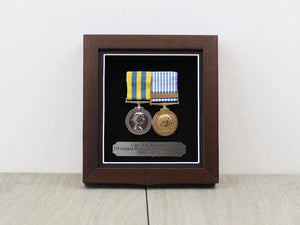
For long-term storage, avoid ordinary PVC plastics and rubber bands, which can release compounds that mark metal or fabric. A properly made medal case, acid-free tissue and a secure display arrangement provide better protection. Framed groups should be kept away from external walls prone to condensation.
A restrained approach preserves more than a mirror finish ever can. Choose the mildest product that meets the need, keep original surfaces intact where possible, and seek specialist help when the medal's history matters as much as its appearance.
Leave a comment